Rubbish collection guide Clapham High Street access tips
Posted on 09/10/2026
Rubbish collection guide Clapham High Street access tips: a practical local guide
If you're trying to organise rubbish collection around Clapham High Street, the main challenge is rarely the waste itself. It's the access. Busy pavements, narrow side streets, parked cars, delivery traffic, and the usual London squeeze can turn a straightforward collection into a slightly fiddly job. This guide on Rubbish collection guide Clapham High Street access tips is here to make that easier.
Whether you're clearing out a flat above a shop, shifting builders' waste after a refurb, or just need an efficient one-off pickup, the same principle applies: good access planning saves time, reduces disruption, and helps the collection go smoothly. Truth be told, a lot of the stress disappears once you know what to prepare and what to expect.
Below, you'll find clear advice on how rubbish collection near Clapham High Street works, what access issues matter most, how to avoid the common pitfalls, and which service pages on this site may help if you need a more tailored waste solution.
Why Rubbish collection guide Clapham High Street access tips Matters
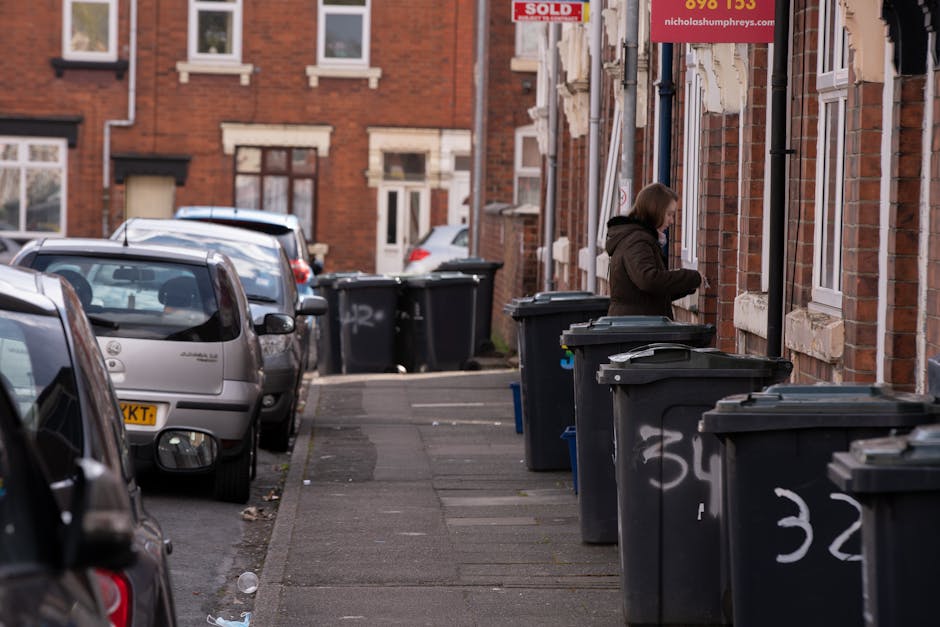
Clapham High Street is lively, busy, and very much alive throughout the day. That's great for shops, cafes, residents, and the general buzz of the area. It's less great when a waste collection vehicle needs to stop safely, load quickly, and get back out without causing a queue behind it. Access matters because collections are often won or lost on the small details: where the vehicle can park, how far waste must be carried, whether there's a rear entrance, and whether the load can be brought out in one go or has to be split into several trips.
In our experience, the jobs that go best are the ones where someone has already thought about the practical bits: lift access, stair width, loading bay restrictions, traffic flow, and what time of day the road is least awkward. Sounds obvious, but you'd be surprised how often those details are left until the van is already outside. Then everyone is doing a little on-the-spot improv, which is not ideal.
Access tips also matter because they can affect cost, timing, and the type of vehicle or team needed. A collection from a front garden with easy curbside loading is a very different job from a fourth-floor flat with no lift, tight stairwell corners, and no parking outside. Same waste, different challenge.
If you're comparing service options, it can help to look at the broader service overview first so you understand how different collection types fit together. And if you already know the job is more involved, the page on your rubbish removal needs is a useful starting point for choosing the right approach.
How Rubbish collection guide Clapham High Street access tips Works
At street level, rubbish collection is simple: waste is identified, loaded, and removed. In practice, the access plan sits underneath all of that. For a Clapham High Street job, the collection process usually follows a few common stages.
1. Assess the site before the van arrives
This includes checking whether the waste can be reached from the kerb, whether there is a rear entrance, and whether the crew will need to carry items through a building. If it's a flat above a commercial unit, for example, a quick look at the stairwell can save a lot of guesswork later.
2. Identify the best loading point
Busy high streets often need a bit of tactical thinking. Can the vehicle stop close enough without blocking traffic? Is there a side street, service road, or nearby parking bay that makes more sense? Even an extra 30 metres of carrying distance can change the feel of the job, especially if you've got bulky items like old furniture or construction offcuts.
3. Match the vehicle and crew to the access
Smaller access routes may need a lighter vehicle or a collection team that can move items efficiently by hand. Bigger clearances may work best with a fuller load plan. For heavier or mixed waste, it may also be relevant to look at specialist support such as builders' waste disposal in Lambeth or house clearance services if the property is being emptied rather than just tidied.
4. Load safely and avoid unnecessary delays
Safety and speed go together. Items should be sorted, stacked sensibly, and moved in a sequence that reduces bending, dragging, or repeated trips through narrow spaces. If the access is awkward, the collection team may need to work in shorter bursts. That's normal. Better to be methodical than rush and chip a wall, scrape a stair rail, or drop a box of old tiles on the pavement.
For a broader sense of what's typically offered, the main rubbish clearance Lambeth page gives a good overview of standard clearance work across the area.
Key Benefits and Practical Advantages
Planning access properly does more than make the collection easier. It changes the whole experience.
- Faster turnaround: The crew can get in, load, and leave without long pauses to figure out where to park or how to reach the waste.
- Lower disruption: Less blocking, less noise, less chance of frustrating neighbours or nearby businesses.
- Better safety: Clear access reduces the chance of slips, trips, manual handling strain, and accidental damage.
- More accurate quoting: Clear access details help service providers assess the job more fairly.
- Less stress on the day: You are not standing on the kerb wondering why the van has circled twice and is now waiting outside a coffee shop.
There's also a subtle but important benefit: better access planning gives you more control. If you know where the collection will happen, how far items need to be carried, and what the likely pinch points are, the whole process feels calmer. And on a street like Clapham High Street, calm is underrated.
If sustainability matters to you, it's worth reading the site's recycling and sustainability guidance too. Access planning and responsible sorting often go hand in hand because a cleaner, more organised load is usually easier to manage properly.
Who This Is For and When It Makes Sense
This guide is for anyone dealing with waste collection near Clapham High Street, but some people will find it especially useful.
- Flat owners and tenants: especially if rubbish needs to be carried down stairs or through communal areas.
- Landlords and letting agents: when preparing a property for new occupants after a clear-out.
- Shop owners and office managers: if stock, packaging, or old fixtures need removing without disrupting trading hours.
- Home movers: when the move has left behind bulky leftovers or unwanted furniture.
- Builders and decorators: if you need debris moved from a tight urban site, not a big open driveway.
- Anyone on a time limit: because a fast pickup only stays fast if the access is genuinely workable.
It also makes sense if you're comparing areas or planning a move and want to understand how local logistics affect day-to-day living. That broader local picture is discussed in posts like local opinions on whether Lambeth is a good area and selling your Lambeth home, which both touch on the realities of living and working around busy neighbourhoods.
To be fair, if your waste is already at the kerb with plenty of space around it, you may not need to overthink any of this. But if there's any doubt, a bit of planning goes a long way.
Step-by-Step Guidance
Here's a simple, practical way to prepare for a collection around Clapham High Street without making it more complicated than it needs to be.
- Identify exactly what needs removing. Make a short list: furniture, bagged waste, broken fixtures, garden cuttings, builder's rubble, or mixed items.
- Check where the items are stored. Are they in a flat, basement, rear yard, shop back room, or garage? The collection route matters more than people think.
- Measure the access points. Note narrow doorways, stairs, low ceilings, lifts, locked gates, and any awkward turns.
- Think about parking and loading. Is there a legal stopping point nearby? If not, is there a realistic nearby alternative that still keeps the job efficient?
- Sort waste before the collection window. Separate clearly recyclable materials, reusable items, general waste, and anything special such as paint tins or electrical items.
- Clear a route inside the property. Move small obstacles, open doors if possible, and make the route as direct as you can.
- Tell the provider about access constraints early. Steps, tight turns, parking restrictions, time limits, or concierge rules should be mentioned before the day, not during it.
- Leave a point of contact available. A quick call can save a lot of waiting if the crew needs clarification on the spot.
One useful habit: walk the route once yourself, slowly, carrying nothing. It sounds almost too simple, but it reveals things you miss when you're focused on the pile of rubbish. A wobbling bannister, a sticky side gate, that low branch outside the rear entrance - all those small annoyances show up fast.
If you're dealing with a more specialised job, such as office furniture or retail strip-out material, the office clearance in Lambeth page may be closer to what you need than a general pickup.
Expert Tips for Better Results
Some access issues are obvious. Others only reveal themselves once the van is there and everybody is trying not to block the road. A few practical tips can make a noticeable difference.
Use the quietest timing you can manage
On or near Clapham High Street, timing is everything. Early morning can be calmer for loading. Midday may be busier but sometimes more predictable. School run times, commuting peaks, and weekend footfall can all make a straightforward pickup more awkward than it needs to be.
Keep the load front-loaded and ready
Don't leave waste scattered across several rooms if you can avoid it. The easier it is to see what needs to go, the faster the team can work. One tidy staging area near the exit is usually better than three half-finished piles in different corners.
Share the awkward details, not just the obvious ones
It helps to mention the facts people often forget: a locked gate code, a basement stairwell, a building manager who needs notice, or a loading bay that only allows short stops. Those small points are usually the difference between "fine" and "why did nobody mention this earlier?"
Use waste type to guide the collection plan
Heavy rubble, green waste, and office furniture behave differently. Builders' debris is dense and messy. Garden waste is awkward in different ways - light, bulky, and easy to spread if it's not bagged or bundled well. If you're dealing with cuttings or soil, the dedicated garden waste removal service can be a better fit than a general clearance.
Have a backup access route in mind
Sometimes the front entrance is blocked by deliveries or parking pressure. If there's a rear route, side passage, or alternative doorway, make sure the crew knows. It's one of those boring little details that ends up being quite useful.
And yes, sometimes the best tip is simply this: stop trying to make the job heroic. Easy access beats clever improvisation nine times out of ten.
Common Mistakes to Avoid
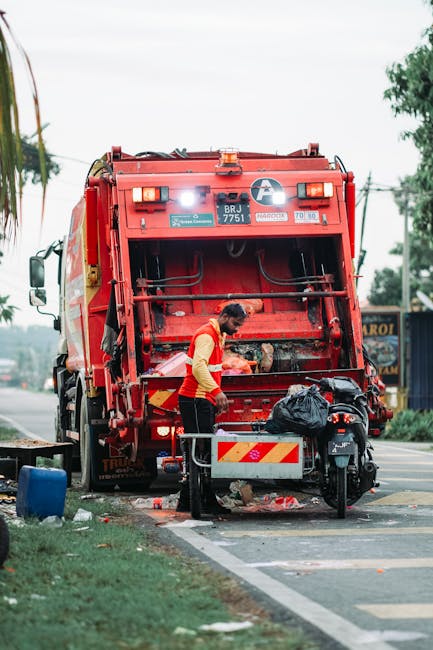
Most collection delays come from avoidable issues rather than serious problems. A few missteps show up again and again.
- Assuming parking will sort itself out: in busy parts of Clapham, that's a risky assumption.
- Not telling anyone about stairs or lifts: access details affect how the job is planned and how long it takes.
- Leaving waste mixed and unsorted: this slows things down and can create confusion over what's being removed.
- Overfilling bags or boxes: awkward packaging is slower to move and easier to damage.
- Forgetting building rules: some blocks have specific collection windows, concierge processes, or loading procedures.
- Putting everything on the street too early: that can be untidy, inconvenient, or in some situations simply not appropriate.
- Ignoring hazardous or restricted items: some items need separate handling, so don't just tuck them into a mixed pile and hope for the best.
Sometimes the mistake is emotional rather than practical: people wait until the flat feels completely overwhelmed before booking help. We get it. Rubbish has a way of sneaking up on you. But the sooner the access plan is sorted, the easier the whole thing feels.
Tools, Resources and Recommendations
You do not need a van full of specialist kit to prepare well, but a few simple tools make collections much smoother.
- Strong bin bags or rubble sacks: useful for keeping smaller waste contained and manageable.
- Labels or marker pen: handy if you want to separate items for reuse, recycling, or disposal.
- Tape measure: helpful for checking stair widths, doorway clearances, or awkward furniture dimensions.
- Gloves and sturdy footwear: simple protection goes a long way during sorting and moving.
- Phone photos: a few clear images of the access route or waste pile can help with planning and quoting.
- Building contact details: especially useful for managed blocks, offices, and rented properties.
For more detailed service information, the pages on waste removal in Lambeth and pricing and quotes are worth a look if you want to understand the likely shape of the job before booking.
If you are checking reliability and company background, the about us page and the insurance and safety information can help set expectations. Good service is not just about speed; it's about doing the job properly and safely.
Law, Compliance, Standards, or Best Practice
For rubbish collection near Clapham High Street, compliance is mostly about sensible best practice, careful handling, and making sure waste is managed responsibly. Exact legal duties vary depending on whether you are a householder, landlord, business owner, or contractor, so this section is best read as practical guidance rather than legal advice.
In the UK, it is generally good practice to make sure waste is transferred to a properly authorised carrier and that items are handled in a way that supports recycling where possible. Businesses have additional responsibilities around waste segregation, records, and duty of care. For domestic customers, the key point is simpler: know what you are handing over, and make sure the collection provider is transparent about how waste is dealt with.
Best practice also means being honest about access. If there is restricted parking, fragile surfaces, a shared entrance, or a time-limited loading area, say so early. That protects everyone. It helps the crew work more safely, reduces the chance of damage, and makes the whole process easier to organise.
For services that involve more complex jobs or repeated visits, it is also worth checking the provider's terms and conditions, payment process, and any notes on accessibility or special handling. Those pages exist for a reason, and dull as they may seem, they stop avoidable misunderstandings later on.
If your project includes demolition debris, site clear-up, or mixed trade waste, builders' waste disposal in Lambeth is often the more relevant path, especially when compliance and safe loading need a bit more care.
Options, Methods, or Comparison Table
There is more than one way to handle waste collection around a busy street like Clapham High Street. The right choice depends on the type of waste, the access, and how urgently it needs to go.
| Collection method | Best for | Access considerations | Typical advantage |
|---|---|---|---|
| Kerbside collection | Bagged waste, small bulky items, simple clearances | Needs legal stopping space and a clear route to the vehicle | Fastest when parking is straightforward |
| Carry-out collection | Flats, offices, rear yards, upstairs properties | Stairs, lifts, and internal routes matter a lot | Flexible for difficult buildings |
| Specialist clearance | House clearances, office clearances, trade or builders' waste | May require more planning and better load segregation | Better for larger or mixed jobs |
| Scheduled site clearance | Repeat waste, commercial premises, ongoing refurb works | Needs agreed access times and building coordination | More predictable for busy premises |
If you are still deciding which route fits best, a broader service page such as waste removal in Lambeth or the more specific house clearance service can help you match the job to the right type of collection.
Case Study or Real-World Example
Here's a realistic example based on the sort of access issue that comes up often around Clapham High Street.
A second-floor flat above a commercial unit needed clearing after a tenancy ended. The waste included a dismantled wardrobe, several black bags, a broken desk, and a couple of awkward smaller items that had ended up in different rooms. The front of the building faced a busy stretch of road, and parking directly outside was not guaranteed.
The useful part was not the waste list. It was the planning. The resident checked the stairwell, confirmed the route out through the shared entrance, and identified a nearby side road where loading was likely to be easier. Photos were shared in advance. The building manager was informed about the collection time. One small detail - a narrow bend at the top of the stairs - meant the wardrobe doors were removed before the collection day. That saved time and probably a scraped wall too.
The job still had the usual London quirks. A delivery van briefly sat where the collection team wanted to stop, and there was a little waiting around while it moved on. Nothing dramatic. But because the access plan had already been thought through, the collection stayed manageable and the team could complete it without turning the morning into a mini traffic saga.
That is the real lesson here: good access planning doesn't have to be perfect. It just has to be sensible.
Practical Checklist
Use this checklist before your collection. It keeps things tidy, and it stops little details from slipping through the cracks.
- Confirm the exact address and collection point.
- Check whether waste can be accessed from the front, rear, or side of the property.
- Measure narrow doors, stairs, and turning spaces if items are bulky.
- Note any lift restrictions, concierge rules, or building access codes.
- Identify parking or loading restrictions near Clapham High Street.
- Separate general waste, recyclables, and any special items.
- Remove items from storage areas and stage them in one safe place if possible.
- Clear a walking route and make sure doors can open freely.
- Tell the provider about anything awkward before the job starts.
- Keep your phone nearby on the day in case the crew needs to check something.
Expert summary: The best rubbish collections near Clapham High Street are the ones where access is treated as part of the job, not an afterthought. Once the route, timing, and loading point are clear, everything else becomes much easier.
Conclusion
Rubbish collection around Clapham High Street is perfectly manageable when the access plan is sensible. That means thinking about parking, walking distance, stairs, loading points, and the type of waste before the van arrives. It also means being honest about anything that might slow the job down. Nothing fancy. Just practical thinking, the sort that saves time and stress.
If you are dealing with a one-off clear-out, a full property emptying, or a trickier access situation, choosing the right service and preparing the route properly will make a real difference. The area is busy, yes, but it does not have to be difficult.
For a next step, explore the relevant service pages, compare your options carefully, and plan the access with the same attention you'd give the waste itself. That little bit of care usually pays off. And sometimes, the simplest jobs feel the best once they're done.
Get a free quote today and see how much you can save.

From a young age, Blair has cultivated a passion for order, which has now matured into a prosperous profession as a waste removal specialist. She derives satisfaction from transforming disorderly spaces into practical ones, aiding clients in conquering the burden of clutter.
 Tipper Van - Junk Collection and Rubbish Clearance Prices in Lambeth, SW9
 Luton Van - Junk Collection and Rubbish Clearance Prices in Lambeth, SW9